
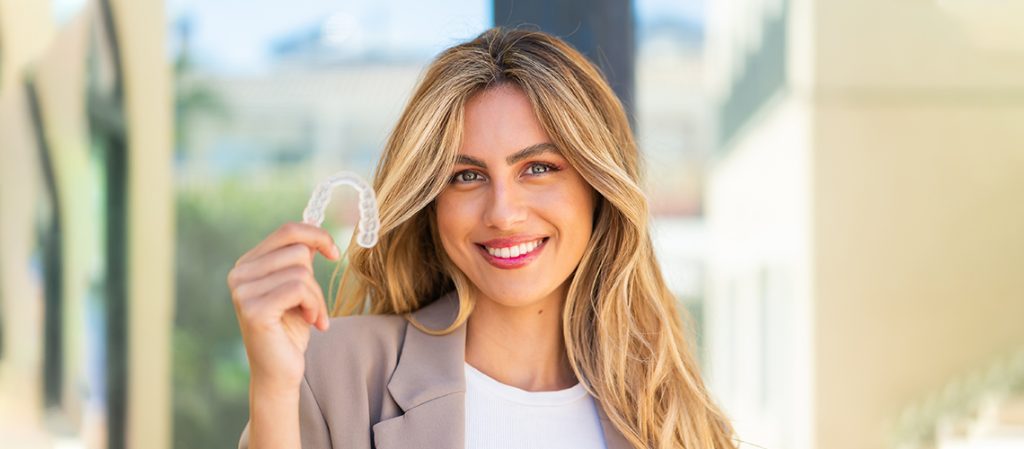
A straighter smile can make everyday life feel a little easier, from smiling in photos to feeling more comfortable at work, school, or social events. For many patients, the idea of traditional metal braces feels less appealing than a more discreet option. That is where Invisalign clear aligners often come into the conversation.
Patients searching for Invisalign options in Manhattan Beach, CA may be wondering what treatment involves, whether clear aligners can work for their smile, and how to choose the right dental team. The good news is that modern clear aligner treatment is designed to be comfortable, convenient, and customized to each patient’s needs.
This guide explains the most common Invisalign options, how treatment typically works, what factors affect results, and what patients can ask during a consultation with Manhattan Beach Dentist.
This article is for general educational purposes only and does not replace personalized dental advice. A dentist or orthodontic provider should evaluate each patient’s teeth, bite, oral health, and goals before recommending Invisalign or any orthodontic treatment.
What Is Invisalign?
Invisalign is a clear aligner system used to gradually move teeth into better positions. Instead of brackets and wires, patients wear a series of removable, nearly invisible plastic trays. Each aligner is shaped slightly differently to guide tooth movement over time.
The aligners are custom-made from digital scans or impressions of the patient’s mouth. A dentist plans the desired tooth movements and monitors progress throughout treatment. Patients typically switch to a new set of aligners on a schedule provided by their dental team.
One of the biggest reasons patients like Invisalign is flexibility. Aligners can be removed for eating, brushing, and flossing. This makes it easier to enjoy favorite foods and maintain oral hygiene compared with fixed braces. However, that flexibility also means patient commitment matters. Aligners must be worn as directed, often around 20 to 22 hours per day, for treatment to stay on track.
Common Invisalign Options Patients May Discuss
Invisalign is not a one-size-fits-all treatment. The right option depends on how much tooth movement is needed, the bite relationship, age, oral health, and cosmetic goals. During a consultation, the dental team can explain which approach fits the patient’s smile best.
Invisalign for Mild Crowding or Spacing
Some patients only need small improvements. They may have slight crowding in the front teeth, small gaps, or minor shifting after previous orthodontic treatment. In these cases, a shorter clear aligner plan may be appropriate.
This type of treatment may appeal to adults who want a more polished smile without a lengthy orthodontic process. Even minor changes still require careful planning, because moving one tooth can affect how neighboring teeth and the bite come together.
Invisalign for Moderate Alignment Concerns
Many patients fall into the moderate category. They may have crowding, spacing, rotated teeth, or bite concerns that need more detailed movement. Invisalign can often help with these issues when the case is appropriate and the patient wears the aligners consistently.
Moderate cases may involve attachments, which are small tooth-colored shapes bonded to certain teeth. These attachments help aligners grip the teeth and apply more precise pressure. They are usually subtle and are removed at the end of treatment.
Invisalign for Bite Issues
Some patients ask whether Invisalign can help with overbites, underbites, crossbites, or open bites. In selected cases, clear aligners may improve bite alignment. The details matter, though. Bite correction can be more complex than simply straightening the front teeth.
A dentist will evaluate how the upper and lower teeth fit together, how the jaw functions, and whether Invisalign alone is suitable. Some patients may need elastics, additional procedures, or a referral to an orthodontic specialist depending on the complexity of the bite.
Invisalign Teen
Teen patients may also be candidates for Invisalign. Invisalign Teen is designed for growing patients who can responsibly wear and care for aligners. It may include features that help track wear time and accommodate erupting teeth.
For teens involved in sports, music, or school activities, removable aligners can be convenient. Still, success depends heavily on compliance. If a teen frequently forgets to wear aligners or misplaces them, treatment progress can slow down.
Retainers After Invisalign
Retainers are not exactly an Invisalign treatment option, but they are an essential part of the process. After teeth move into their new positions, they naturally try to shift back. Retainers help maintain the result.
Patients should expect to wear retainers according to their dentist’s instructions. Some wear them full-time at first, then transition to nighttime wear. Long-term retention is one of the most important parts of protecting the time and investment put into orthodontic care.
Who May Be a Good Candidate for Invisalign?
Many adults and teens may qualify for clear aligner treatment, but candidacy is based on more than wanting straighter teeth. A healthy foundation is important before any orthodontic movement begins.
A patient may be a good candidate if they have:
- Mild to moderate crowding or spacing
- Teeth that have shifted after braces
- Certain bite concerns that can be treated with aligners
- Healthy gums and bone support
- No untreated cavities or active gum disease
- A willingness to wear aligners as directed
- Good brushing and flossing habits
Patients may need other dental care before starting Invisalign. For example, cavities, gum inflammation, or worn restorations may need attention first. This does not necessarily mean Invisalign is off the table. It simply means the mouth should be healthy before teeth begin moving.
Some complex cases may require traditional braces, combination treatment, or specialist care. The most reliable way to know is through an exam, digital imaging, and a personalized treatment discussion.
How the Invisalign Process Typically Works
Patients often feel more comfortable when they know what to expect. While each dental office has its own workflow, Invisalign treatment generally follows a clear sequence.
1. Consultation and Smile Evaluation
The process begins with a consultation. The dentist evaluates the teeth, gums, bite, jaw function, and overall oral health. Patients can share what bothers them about their smile and what they hope to improve.
This visit is also a good time to ask practical questions about treatment length, daily wear, financing, and whether Invisalign fits the patient’s lifestyle.
2. Digital Scans or Impressions
If the patient is a candidate, the dental team captures detailed records. Many offices use digital scanning technology to create a 3D model of the teeth. Digital scans are often quicker and more comfortable than traditional impressions.
These records help the dentist plan tooth movement and design a sequence of aligners.
3. Customized Treatment Plan
The dentist reviews the aligner plan, including how teeth are expected to move. Patients may be able to see a digital preview of their projected smile. This preview is a helpful planning tool, though actual results depend on biology, compliance, and clinical factors.
Once the plan is approved, the custom aligners are fabricated.
4. Wearing the Aligners
Patients receive their aligners and instructions for wear. Aligners should fit snugly and may feel tight at first. That pressure is normal because the trays are guiding tooth movement.
Aligners should be removed before eating or drinking anything other than water. Patients should brush before putting them back in whenever possible. This helps reduce the risk of staining, cavities, and trapped food particles.
5. Check-Ins and Progress Monitoring
Regular check-ins allow the dentist to confirm that the teeth are tracking as planned. Some visits may be quick, while others may involve attachments, adjustments, or new aligners.
If teeth do not move exactly as expected, refinements may be recommended. Refinements are additional aligners used to fine-tune the result. They are common in clear aligner therapy and should not be viewed as a setback.
6. Retention
When active treatment is complete, retainers help keep the smile stable. Retainer wear is a long-term commitment. Patients who skip retainers may notice shifting over time, even after successful treatment.
What Affects Invisalign Treatment Time?
Treatment time varies from patient to patient. Some minor cases may take only several months, while more involved cases may take a year or longer. A dentist can provide a more specific estimate after evaluating the patient’s teeth and bite.
Factors that may affect treatment time include:
- The amount of crowding or spacing
- Whether bite correction is needed
- How consistently aligners are worn
- How well teeth respond to movement
- Whether refinements are needed
- Overall oral health during treatment
Consistency is one of the biggest factors patients can control. Wearing aligners only at night or frequently leaving them out can delay progress and may compromise the treatment plan.
Everyday Life With Invisalign
Most patients adjust to Invisalign within a few days. The aligners may cause mild pressure or tenderness when switching to a new set, but this usually improves as the teeth adapt. Speech may feel slightly different at first, but many patients adjust quickly.
Daily habits make a big difference. Patients should keep an aligner case nearby to avoid wrapping trays in napkins or leaving them on a table. Aligners can be accidentally thrown away or damaged if they are not stored properly.
Cleaning is also important. Aligners should be rinsed regularly and cleaned as instructed by the dental team. Hot water should be avoided because it may warp the plastic. Brushing and flossing remain essential, especially because aligners fit closely over the teeth.
Invisalign vs. Braces: Which Is Better?
Neither Invisalign nor braces are automatically “better” for every patient. They are different tools that can work well in different situations.
Invisalign may be a strong fit for patients who want a discreet appearance, removable trays, and fewer food restrictions. It can be especially appealing for adults and teens who feel self-conscious about braces.
Braces may be recommended for more complex tooth movements, certain bite problems, or patients who may not reliably wear removable aligners. Since braces stay fixed to the teeth, they do not depend on the patient remembering to put them back in after meals.
The best option is the one that safely addresses the patient’s needs and fits their lifestyle. A consultation can help compare both approaches in a practical, judgment-free way.
Questions to Ask About Invisalign Options in Manhattan Beach, CA
Patients looking into Invisalign options in Manhattan Beach, CA can feel more prepared by bringing questions to their appointment. Helpful questions include:
- Am I a good candidate for Invisalign?
- What concerns can Invisalign address in my smile?
- How long might my treatment take?
- Will I need attachments or elastics?
- How often will I need check-in visits?
- What happens if my teeth do not track as planned?
- What is included in the treatment fee?
- Will I need retainers after treatment?
- Are payment options or financing available?
These questions help patients understand not only the cosmetic goal, but also the full treatment experience from start to finish.
Why a Personalized Invisalign Consultation Matters
Clear aligners may look simple, but orthodontic treatment is still a carefully planned dental procedure. Teeth move through bone and gum tissue, and each movement affects the overall bite. That is why professional supervision is so important.
A personalized consultation allows the dentist to look beyond the front teeth. The dental team can check gum health, tooth wear, jaw comfort, existing dental work, and long-term stability. This broader view helps create a plan that supports both appearance and oral health.
At Manhattan Beach Dentist, patients can expect a friendly conversation about their goals, concerns, and options. Whether someone is just starting to explore clear aligners or already knows they want Invisalign, a consultation is the best next step.
FAQ About Invisalign
Is Invisalign painful?
Invisalign should not be intensely painful, but mild pressure or soreness is common when starting a new set of aligners. This sensation usually means the aligners are working to move the teeth. If pain feels sharp, severe, or does not improve, the patient should contact the dental office.
How long does Invisalign take?
Treatment time depends on the complexity of the case and how consistently the patient wears the aligners. Minor cases may take several months, while more involved cases may take a year or longer. A dentist can provide a personalized estimate after an exam.
Can patients eat with Invisalign?
No. Patients should remove aligners before eating. Eating with aligners can damage or stain them. Aligners should also be removed before drinking anything other than water to reduce the risk of staining and tooth decay.
Will Invisalign affect speech?
Some patients notice a slight lisp or speech change at first. This usually improves as the tongue adjusts to the aligners. Reading aloud for a few minutes each day can help patients adapt more quickly.
What happens if an aligner is lost?
If an aligner is lost, the patient should contact the dental office for guidance. Depending on the situation, the dentist may recommend wearing the previous aligner, moving to the next one, or ordering a replacement. Patients should not guess, because the wrong step can affect tracking.
Does Invisalign work for adults?
Yes, many adults are candidates for Invisalign. Adult treatment depends on oral health, gum support, bite concerns, and the type of tooth movement needed. Adults who had braces years ago and noticed shifting may also be good candidates.
Are Invisalign results permanent?
Teeth can shift after any orthodontic treatment if retainers are not worn as directed. Invisalign can create long-lasting improvements, but retention is necessary to help maintain the result.
Ready to Explore Invisalign Options?
For patients interested in a straighter smile without traditional braces, Invisalign may offer a comfortable and discreet path forward. The right plan depends on the patient’s teeth, bite, oral health, and daily habits.
Anyone comparing Invisalign options in Manhattan Beach, CA can start with a consultation at Manhattan Beach Dentist. The team can answer questions, evaluate candidacy, and explain what a personalized clear aligner plan may look like. A simple conversation is often the first step toward a smile that feels healthier, more confident, and easier to share.