When a dental emergency strikes in Manhattan Beach, quick access to professional care is essential to reduce pain and prevent further damage. Emergency dental care in Manhattan Beach is designed to provide prompt treatment for issues like severe toothaches, broken teeth, or sudden injuries, helping patients feel better fast. Knowing where to turn and what to expect can make a stressful situation much easier.
Modern emergency dental offices focus on patient comfort and use advanced techniques to relieve pain efficiently. They also offer guidance on aftercare and ways to avoid future emergencies. This friendly approach makes it simpler for anyone facing a dental crisis to get the help they need without worry.
Recognizing Dental Emergencies
Dental emergencies can be confusing, especially when pain or damage happens suddenly. Knowing the signs and typical situations helps to act quickly and get the right care without unnecessary worry.
Common Dental Crisis Situations
The most frequent emergencies include severe toothaches, broken or knocked-out teeth, and injuries causing bleeding or swelling. A lost filling or crown can also be urgent if it causes discomfort or exposes sensitive areas.
Chipped teeth that hurt or affect bite alignment need prompt treatment. Abscesses, which are infections causing pus and swelling, require immediate attention to prevent spread. In all cases, quick care minimizes damage and improves recovery.
Warning Signs Requiring Immediate Attention
Signs like intense pain that won’t subside, uncontrollable bleeding, swelling extending to the face or neck, and difficulty breathing or swallowing are red flags. Sudden tooth loss or visible bone damage also signals a dental emergency.
If pain worsens despite over-the-counter medicine or if a tooth feels loose and moves noticeably, those conditions need urgent evaluation. Fever alongside oral pain suggests infection, so prompt care is crucial.
When to Seek Help Versus Home Care
If the injury causes severe pain, visible damage, or swelling, visiting an emergency dental office immediately is necessary. For minor discomfort or small chips without swelling, gentle home care like rinsing with warm salt water and avoiding hard foods might suffice briefly.
However, ignoring symptoms or delaying treatment can lead to complications. When in doubt, contacting a dental professional ensures the right next steps and peace of mind. Early intervention is key to preserving oral health and comfort.
Immediate Steps to Take Before Your Appointment
Knowing how to handle dental emergencies before reaching the office can reduce pain and prevent further damage. Simple actions like managing swelling, preserving a knocked-out tooth, or treating mouth injuries make a big difference.
Managing Pain and Swelling at Home
Applying a cold compress to the affected area helps reduce swelling and numbs the pain. Use the compress for 15 minutes on, then 15 minutes off to avoid skin damage.
Over-the-counter pain relievers like ibuprofen or acetaminophen can help control discomfort. Avoid aspirin because it thins the blood and may increase bleeding.
Rinsing the mouth with warm salt water gently cleans the area and soothes irritation. Patients should avoid hot drinks, hard foods, and chewing on the injured side to prevent aggravating the problem.
Handling Lost or Broken Teeth
If a tooth is knocked out, time is critical. Rinse the tooth gently with water but avoid scrubbing or removing any tissue fragments.
If possible, place the tooth back into the socket immediately. If this isn’t feasible, keep it moist by storing it in milk or a tooth preservation kit until reaching the dentist.
For broken teeth, clean the mouth with warm water and apply a cold compress to reduce swelling. Save any broken pieces and bring them to the appointment for potential reattachment.
First Aid for Mouth Injuries
For cuts or wounds inside the mouth, rinsing with warm salt water helps reduce bacteria and promote healing. Apply gentle pressure with a clean cloth or gauze to stop bleeding.
Avoid using strong mouthwashes or alcohol, as these can irritate the tissue. If bleeding does not stop within 15 minutes, seek immediate emergency care.
For injuries causing swelling or difficulty breathing, call emergency services right away and do not delay professional help.
What to Expect During Your Emergency Visit
When you arrive for emergency dental care in Manhattan Beach, quick assessment and comfort are top priorities. The dentist will focus on identifying the problem accurately and easing any pain or anxiety you have.
Initial Evaluation and Comfort Measures
The emergency dentist starts with a thorough but rapid review of your symptoms and medical history. They ask about when the pain or injury began, its severity, and any related health concerns.
Pain relief is addressed immediately. This might include applying a local anesthetic or recommending over-the-counter medication while waiting for treatment.
Staff will also help you feel at ease, offering a calm environment and answering questions. Your comfort is important because it allows the dentist to work more effectively.
Diagnostic Tools Your Dentist May Use
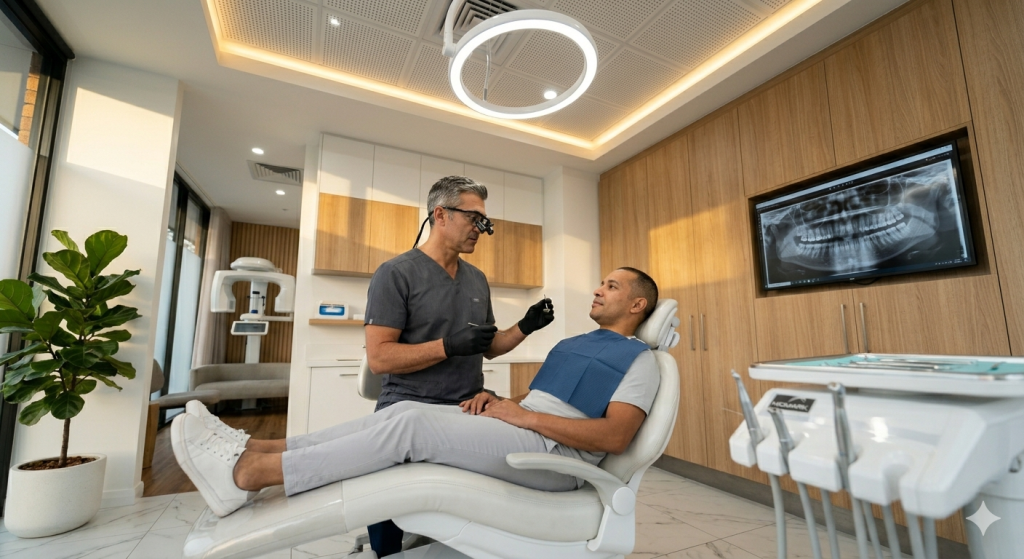
To pinpoint the cause of your emergency, the dentist often uses digital X-rays. These provide clear images of teeth, roots, and jawbone, usually taken right in the office.
Another common tool is an intraoral camera, which shows live images of your mouth on a screen. This helps the dentist spot cracks, chips, or areas of infection that aren’t obvious from the outside.
Sometimes, the dentist performs visual exams and gentle probing to check for loose teeth or damage. These steps ensure a precise diagnosis and guide the best treatment approach.
Modern Treatment Options for Urgent Dental Issues
Immediate relief and effective repair are essential in dental emergencies. Treatments focus on both easing pain fast and restoring damaged teeth to prevent further problems.
Relieving Toothaches Quickly
Toothaches can signal infection, decay, or injury. Dentists often start by diagnosing the exact cause with exams and X-rays. Pain relief usually begins with numbing gels or injections to stop discomfort during treatment.
For infections, antibiotics may be prescribed to reduce swelling and fight bacteria. Over-the-counter pain medications can help manage symptoms until a permanent fix is in place.
Root canal therapy is a common solution when the tooth’s nerve is damaged or infected. This procedure removes infected tissue, sealing the tooth to save it and relieve pain. In less severe cases, a dental filling or crown may restore the tooth’s integrity.
Repairing Cracked or Knocked-Out Teeth
Cracked or knocked-out teeth require prompt attention to improve chances of saving them. If a tooth is chipped, dentists often use bonding materials or crowns to restore shape and function quickly.
For fractured teeth that extend below the gum line, a specialist might perform a root canal combined with a crown lengthening procedure. This provides stability and protection for the damaged tooth.
A knocked-out tooth has the best chance of survival if reimplanted within an hour of injury. Dentists clean the socket gently and secure the tooth using a splint. Follow-up care includes monitoring healing and sometimes root canal treatment to prevent infection.
Prompt care is vital to avoid complications and restore comfort. Patients should contact an emergency dental provider as soon as possible for personalized treatment options.
Navigating Dental Care After Hours in Manhattan Beach
Accessing timely dental care outside regular office hours can feel overwhelming. Knowing where to look and who to contact makes a significant difference when urgent situations arise.
Finding 24/7 Emergency Dental Services
Manhattan Beach offers several clinics that provide emergency dental care around the clock. These services focus on urgent issues such as severe tooth pain, broken teeth, or infections that cannot wait for a regular appointment. Patients can usually receive same-day treatment at these clinics without needing a referral.
Many emergency dental offices have updated websites listing their hours and procedures. It’s helpful to save contact info ahead of time. Some clinics also use modern technology like teledentistry to assess your situation quickly, guiding you on whether you need immediate in-office treatment.
Contacting Local Dental Hotlines
Local dental hotlines in Manhattan Beach offer valuable support after hours. They provide advice on managing symptoms until you can see a dentist, helping you decide if an emergency visit is necessary. Hotlines are typically staffed by dental professionals who can answer questions about what to do next.
These hotlines can also direct you to the nearest open emergency clinic or dentist on call. Keeping this number handy can reduce stress during a dental emergency and provide reassurance that help is available, day or night.
Tips for Preventing Dental Emergencies
Preventing dental emergencies involves consistent care and smart habits. Using the right protective gear when active and maintaining strong oral health are two key ways to minimize sudden dental problems.
Protective Gear for Sports and Activities
Wearing a mouthguard during sports is essential to protect teeth from impact. Custom-fitted mouthguards provide better comfort and coverage than over-the-counter options, reducing the risk of chipped or knocked-out teeth.
For contact sports like football, basketball, or hockey, helmets and face shields add extra protection. Even non-contact activities, such as skateboarding or cycling, benefit from mouth protection to prevent accidental injuries.
Parents should ensure children wear protective gear during practices and games. Investing in proper equipment now can save pain and costly dental visits later.
Healthy Habits for Strong Teeth
Good oral hygiene is the foundation of strong teeth. Brushing twice daily with fluoride toothpaste and flossing once a day helps remove plaque and prevent decay.
Eating a balanced diet rich in calcium and vitamin D supports tooth strength. Limiting sugary snacks and drinks reduces the risk of cavities, which can lead to emergencies if untreated.
Routine dental check-ups allow early detection of potential problems before they become urgent. Regular cleanings and exams help keep teeth healthy and avoid unexpected pain or damage.
Understanding Insurance and Payment Options
Emergency dental care can sometimes feel overwhelming, especially when questions about costs and insurance arise. Knowing what insurance might cover and what flexible payment options are available helps patients focus on urgent treatment without added stress.
What Dental Insurance May Cover
Dental insurance plans often cover emergency visits differently than routine care. Many plans include benefits for exams and X-rays related to sudden pain or trauma. For instance, emergency exams typically fall under basic or preventive coverage, with partial reimbursement for procedures like tooth extractions or root canals.
However, coverage varies by policy and provider. Some plans have waiting periods before covering major emergency treatments. It’s important to check the plan details or speak with the dental office’s billing team. They can help clarify if services like pain relief, repairs, or extractions are included and what portion the patient might owe.
Flexible Payment Arrangements for Urgent Care
Dental emergencies rarely come at convenient times, so many Manhattan Beach providers offer flexible payment options to ease financial burdens. Options often include interest-free payment plans that break total costs into smaller, monthly installments. This helps patients avoid postponing critical care.
Some offices accept major credit cards, CareCredit, or even offer in-house financing. Transparent communication about payment expectations upfront ensures patients can focus on healing rather than worrying about bills. Discussing payment options early often opens doors to manageable solutions tailored to each patient’s situation.
Supporting Children During Dental Emergencies
In dental emergencies involving children, managing both their physical pain and emotional distress is essential. Comforting a young patient and addressing pediatric-specific injuries can make a big difference in outcomes and reduce anxiety.
Calming Young Patients
When a child faces a dental emergency, staying calm and reassuring is key. Parents should speak softly and explain what is happening in simple words. Distraction techniques, like favorite toys or stories, help focus their attention away from pain or fear.
Maintaining eye contact and a gentle tone can build trust quickly. Avoiding threats or negative language prevents added stress. Giving children small tasks, like holding a damp cloth, helps them feel involved and in control during treatment.
Special Considerations for Pediatric Injuries
Child dental injuries often involve knocked-out or broken baby teeth, which require different care than adult teeth. Immediate steps include gently rinsing the mouth and preserving any tooth fragments in milk or saline.
Some injuries, like a dislodged tooth, may need prompt repositioning by a dentist. Pediatric dental emergencies also require monitoring for jaw or soft tissue damage, as children’s bones are still growing.
Emergency dentists in Manhattan Beach are trained to handle these unique cases with gentle techniques tailored to young patients’ needs. Parents should seek care quickly to prevent complications and support healthy oral development.
Long-Term Follow-Up and Care Recommendations
After receiving emergency dental care in Manhattan Beach, the patient should expect scheduled follow-up visits. These appointments help monitor healing, check for complications, and ensure treatments like root canals or extractions are successful.
It’s important to keep up with good oral hygiene at home. Brushing twice a day, flossing daily, and using any prescribed mouth rinses can reduce the risk of infection and support healing.
Sometimes, additional treatments like crowns, bridges, or implants may be needed down the line. The dentist will discuss these options during follow-up visits to restore full function and appearance.
Patients should watch for symptoms like swelling, persistent pain, or unusual discharge and report them promptly. Early intervention can prevent minor issues from becoming serious.
Key takeaways for long-term care:
- Attend all scheduled follow-up appointments.
- Maintain a consistent oral hygiene routine.
- Follow the dentist’s specific care instructions.
- Contact the dental office if new symptoms appear.
By staying proactive, patients can protect their oral health and avoid future emergencies. Encouraging open communication with the dental team helps tailor ongoing care for lasting comfort and function.
Frequently Asked Questions
Knowing when to act quickly and how to handle various dental issues can make a big difference in your comfort and outcome. Immediate steps for injuries, managing pain, and deciding where to seek help are key to effective care.
How can I tell if my tooth pain is a true emergency or something that can wait until regular office hours?
If the pain is severe, sudden, or accompanied by swelling, fever, or difficulty breathing, it likely needs urgent care. Mild discomfort or sensitivity can usually wait for a scheduled appointment.
What should I do right now if I have a knocked-out tooth, and how quickly do I need to be seen?
Find the tooth and hold it by the crown, not the root. Rinse it gently with water if dirty and try to reinsert it if possible. See a dentist within 30 minutes to improve the chance of saving the tooth.
If I don’t have a regular dentist, what are my safest next steps during a dental emergency?
Look for local emergency dental clinics or call a nearby dental office for urgent appointments. Avoid waiting or using home remedies that aren’t recommended, as untreated problems can worsen quickly.
What can urgent care actually do for a bad toothache or dental infection, and when should I go there versus a dentist?
Urgent care can provide pain relief and antibiotics but cannot perform dental procedures. Go there only if you cannot reach an emergency dentist and symptoms suggest infection or risk to overall health.
What should I do if a filling or crown falls out, and how can I protect the tooth until I can get in?
Keep the filling or crown if possible. Use dental cement from a pharmacy or sugar-free gum to temporarily cover the tooth and avoid chewing on that side. Schedule dental care promptly to prevent damage or sensitivity.
How can I manage swelling, bleeding, or severe pain at home safely while I’m waiting to be seen?
Apply a cold compress outside the cheek to reduce swelling and use over-the-counter pain relievers as directed. Rinse gently with warm salt water, avoid hot or hard foods, and keep your head elevated to minimize bleeding.