
A professional dental cleaning can be one of the simplest ways to stay involved in the health of your smile. Even with consistent brushing and flossing, some plaque, hardened buildup, and surface stains may remain in areas that are difficult to reach at home.
If you are searching for dental cleaning in Manhattan Beach, CA, it helps to know what the appointment may include. Understanding each step can make the visit feel more familiar, whether it has been six months or several years since your last cleaning.
Clinical note: This article provides general educational information and is not a diagnosis or a substitute for an examination by a dentist. A dental professional can recommend an appropriate cleaning schedule and treatment based on your individual oral health.
What Is a Professional Dental Cleaning?
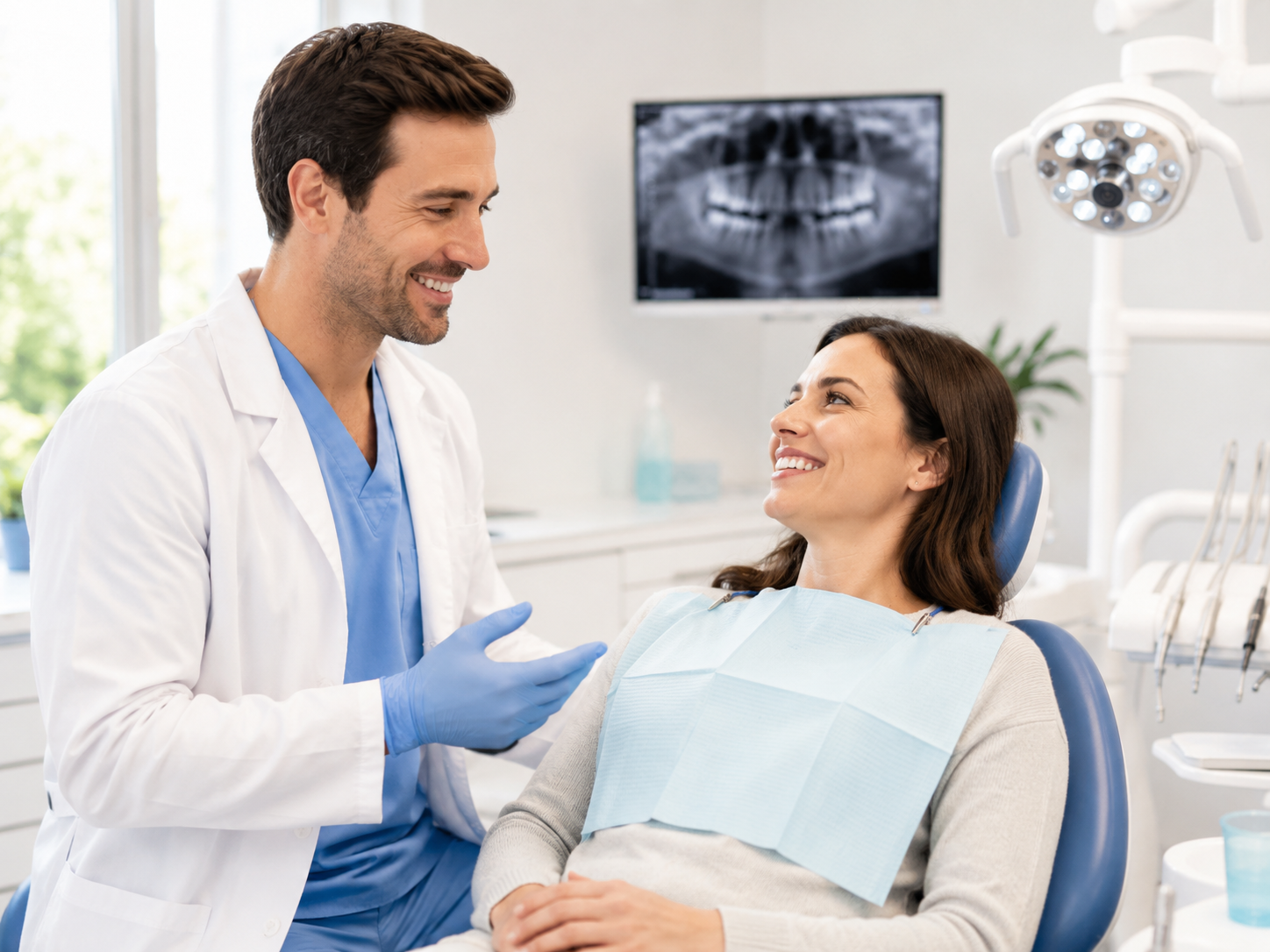
A dental cleaning is a preventive appointment during which a dentist or dental hygienist removes deposits from the teeth and checks the condition of the mouth. It complements daily brushing and flossing rather than replacing them.
Home care helps control plaque each day. However, plaque that remains on the teeth can harden into tartar, also called calculus. Once that happens, safely removing it generally requires professional dental instruments.
A cleaning appointment may also give the dental team an opportunity to notice changes involving the teeth, gums, existing dental work, or bite. Finding a concern early may allow the patient and dentist to discuss it before it becomes more complicated.
What Happens During a Routine Cleaning?
The details vary according to the patient’s needs, dental history, and the findings of the examination. A typical preventive visit may involve the following steps.
Review of Health and Dental History
The dental team may ask about medications, medical conditions, allergies, pregnancy, recent procedures, or changes in the mouth. These details can affect dental care, so patients should share updated information even when it seems unrelated to their teeth.
This is also a good time to mention sensitivity, bleeding gums, dry mouth, jaw discomfort, or anxiety about treatment. Honest communication helps the team adjust the visit and explain what to expect.
Examination of the Teeth and Gums
Before or during the cleaning, the provider may look for visible tooth damage, gum inflammation, unusual areas, or concerns around fillings, crowns, bridges, implants, and other restorations. Gum measurements may be taken to evaluate the spaces between the teeth and gums.
Dental X-rays are not automatically needed at every cleaning. A dentist determines when they are appropriate by considering factors such as age, oral health, symptoms, dental history, and the date of previous images.
Plaque and Tartar Removal
The hygienist may use small hand instruments or a powered scaler to loosen and remove buildup. Patients often hear scraping sounds or feel vibration and water. These sensations are expected, but the patient should speak up if an area feels uncomfortable.
More time may be needed when there is substantial buildup, crowded or overlapping teeth, orthodontic appliances, or dental restorations that require careful attention.
Polishing and Flossing
After scaling, the teeth may be polished with a special paste and rotating cup. Polishing can remove some external stains and leave the tooth surfaces feeling smooth. The hygienist may then floss between the teeth and review areas that need extra attention at home.
Personalized Home-Care Guidance
Instead of offering the same advice to everyone, a dental professional may recommend techniques or products based on the patient’s needs. Suggestions might involve brushing technique, floss, interdental brushes, a powered toothbrush, fluoride products, or strategies for cleaning around dental work.
Routine Cleaning vs. Deep Cleaning
Not every person who schedules a cleaning needs the same type of care. A routine preventive cleaning generally focuses on deposits at and above the gumline for a patient whose gums do not show findings that call for periodontal treatment.
A deep cleaning, often called scaling and root planing, is different. It addresses buildup and affected root surfaces below the gumline when an examination indicates gum disease. It may be completed in separate areas of the mouth, and numbing may be offered for comfort.
A deep cleaning should not be viewed as an upgraded routine cleaning. It is a specific form of periodontal treatment. The dentist must evaluate the gums before determining which service is appropriate.
Does a Dental Cleaning Hurt?
Many routine cleanings cause little or no discomfort. Experiences vary, however. Tender gums, exposed root surfaces, heavy buildup, tooth sensitivity, or a long gap between appointments can make certain areas feel more sensitive.
Patients do not have to remain silent through discomfort. They can ask the hygienist to slow down, explain the next step, use a different instrument, or pause when needed. A dental office may also offer options for managing sensitivity or anxiety, depending on the situation.
Mild gum tenderness can sometimes occur after a cleaning, particularly if the gums were already irritated. Persistent pain, increasing swelling, or another concerning change should be reported to the dental office rather than assumed to be normal.
How Often Should Teeth Be Professionally Cleaned?
There is no single schedule that is right for every patient. Many people follow a regular preventive schedule, but some need more frequent care based on gum health, cavity history, dry mouth, tobacco use, orthodontic appliances, certain medical considerations, or difficulty controlling buildup.
The best interval is the one recommended after an individual examination. Someone receiving maintenance care after treatment for gum disease may also have a different schedule from a patient receiving routine preventive cleanings.
How to Prepare for a Cleaning Appointment
A dental cleaning usually requires little preparation. A few practical steps can help the appointment run smoothly:
- Bring an updated medication and health history.
- Share any new symptoms, sensitivity, or changes in the mouth.
- Tell the team about dental anxiety before treatment begins.
- Bring insurance information and ask for an estimate when cost is a concern.
- Continue normal brushing and flossing rather than trying to clean aggressively beforehand.
- Write down questions so they are not forgotten during the visit.
Patients with a medical condition, implanted device, or history of joint or heart procedures should not assume they need medication before dental care. They should ask their dentist and relevant medical clinician for individualized guidance.
What Affects the Cost of a Dental Cleaning?
The cost of a cleaning in Manhattan Beach may depend on the type of cleaning, whether an examination or X-rays are needed, insurance benefits, the amount of buildup, and whether periodontal care is recommended.
Advertised specials do not always include the same services. Before comparing prices, patients can ask whether a quote includes the examination, images, preventive cleaning, and any required new-patient records. They should also confirm whether the quoted service is appropriate for their current gum health.
A dental office can provide the most useful estimate after reviewing the patient’s needs and coverage. Patients may also ask about payment methods or financing options before agreeing to care.
Supporting a Cleaner Smile Between Visits
Professional care works best alongside consistent habits at home. Patients can support their oral health by brushing thoroughly with fluoride toothpaste, cleaning between the teeth, and replacing a worn toothbrush or brush head.
Technique matters as much as effort. Brushing forcefully can miss the gumline and may irritate sensitive tissues. Gentle, careful cleaning is usually more helpful than rushing or applying excessive pressure.
Patients should also pay attention to changes such as persistent bleeding, a sore that does not improve, swelling, a broken tooth, or ongoing pain. A routine cleaning appointment should not be used to delay an evaluation of urgent or worsening symptoms.
Frequently Asked Questions
Can someone eat before a dental cleaning?
In most cases, eating beforehand is acceptable. Brushing gently before the visit can help the mouth feel fresh. If sedation or another procedure is planned, the dental office may provide different instructions that should be followed.
Can teeth look whiter after a cleaning?
A cleaning may remove some external stains caused by foods, drinks, or tobacco, so the teeth may look brighter. It does not change the natural internal color of the teeth in the same way as professional whitening.
Why do gums sometimes bleed during a cleaning?
Bleeding may occur when gum tissue is irritated or inflamed. It can also happen in an area that has not been cleaned between the teeth consistently. Because bleeding has different possible causes, a dentist or hygienist should evaluate persistent or unexplained bleeding.
Is a dental examination the same as a cleaning?
No. The examination evaluates the teeth, gums, and other oral structures, while the cleaning removes plaque, tartar, and certain surface stains. They are often completed during the same visit but serve different purposes.
What if it has been years since the last cleaning?
Patients should not let embarrassment stop them from making an appointment. The first step is usually an examination to understand the current condition of the mouth. The dental team can then explain whether a routine cleaning, deep cleaning, or another approach is appropriate.
Can a cleaning fix a cavity or broken tooth?
No. A cleaning removes deposits from tooth surfaces but does not repair decay, cracks, or missing tooth structure. If the dentist identifies a concern, the patient can discuss treatment choices, timing, costs, and alternatives before deciding how to proceed.
Schedule Dental Cleaning in Manhattan Beach, CA
Regular professional care can make oral health feel more manageable and give patients a chance to ask questions before small concerns become harder to address. The right visit should feel informative, respectful, and tailored to the individual—not rushed or judgmental.
Withers Dental provides general dentistry and teeth cleaning for patients in Manhattan Beach, CA. Those who are due for a visit or unsure which type of cleaning they need can contact the practice to request an evaluation. The office is located at 973 Manhattan Beach Blvd., Suite A, Manhattan Beach, CA 90266, and the team can be reached at (424) 353-3277.