
A straighter smile can improve more than appearance. Properly aligned teeth may be easier to clean, while a balanced bite can support everyday comfort and function. For patients who want to straighten their teeth without traditional metal braces, clear aligners offer a discreet and removable option.
People researching clear aligners in Manhattan Beach, CA, often have practical questions: Will they work for their teeth? Are they comfortable? How much daily commitment is involved? This guide explains the essentials so patients can approach a consultation with realistic expectations and greater confidence.
This information is educational and does not replace an examination or personalized advice from a dentist or orthodontic professional.
What Are Clear Aligners?
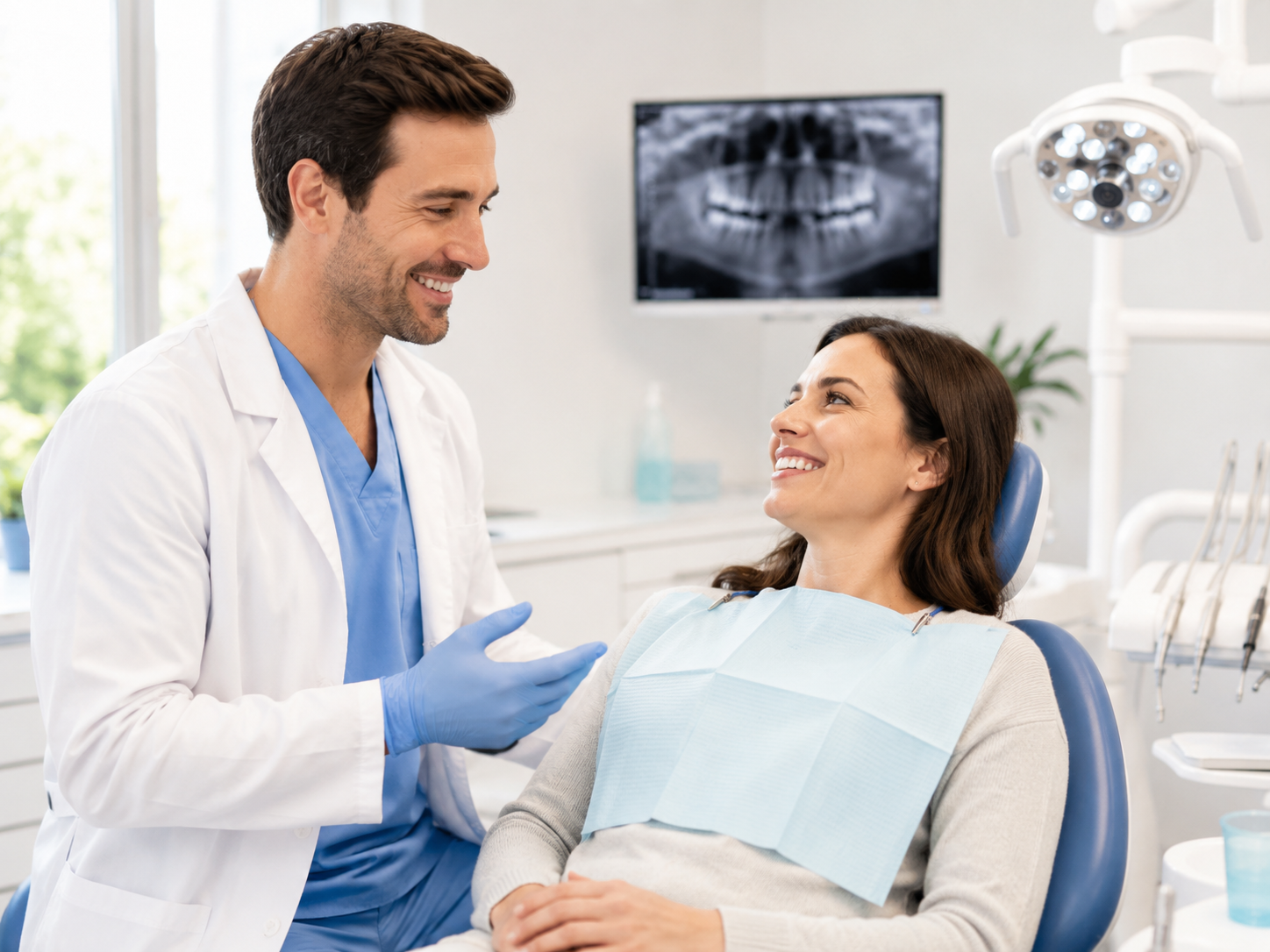
Clear aligners are removable orthodontic trays made to fit closely over the teeth. Instead of brackets and wires, treatment uses a planned series of trays to apply gentle, controlled pressure. Each set supports a particular stage of tooth movement.
The trays are usually made from transparent plastic, making them less noticeable during conversations, work, school, and social activities. They can also be removed for meals, brushing, and flossing.
Clear aligner treatment is digitally planned. Dental professionals evaluate the position of the teeth and bite, then map out intended movements. According to an expert consensus review of clear aligner treatment, modern planning software and aligner materials allow clinicians to design tooth-specific movement. However, the dentist’s diagnosis, treatment planning, and ongoing monitoring remain essential.
What Dental Concerns Can Clear Aligners Address?
Clear aligners may be considered for several alignment and bite concerns, including:
- Crowded or overlapping teeth
- Small spaces or gaps between teeth
- Certain overbites and underbites
- Some crossbites or open bites
- Teeth that have shifted after previous orthodontic treatment
- Mild to moderate tooth rotations
Not every case is equally predictable with removable trays. More complex bite discrepancies, significant rotations, impacted teeth, or movements involving tooth roots may require additional techniques or conventional braces. A review of the clinical effectiveness and limitations of clear aligners found that aligners perform some movements more predictably than others.
That does not automatically rule out aligners for a complex smile. Some treatment plans use small tooth-colored attachments, elastics, or a combination of orthodontic approaches. A clinical examination is the only reliable way to determine which option is appropriate.
Who May Be a Good Candidate?
A suitable candidate generally has an alignment concern that can be treated predictably with trays and is willing to follow the prescribed wear schedule. Because aligners are removable, consistency matters. Leaving them out too often may prevent the teeth from tracking with the digital plan.
Oral health is another important consideration. Active gum disease, untreated cavities, or other dental problems may need attention before orthodontic movement begins. Starting with healthy teeth and gums helps create a safer foundation for treatment.
Clear aligners may appeal to adults and teens who:
- Prefer a less visible orthodontic appliance
- Want to remove trays while eating
- Can keep track of and consistently wear the aligners
- Want to brush and floss without navigating fixed brackets
- Are comfortable attending follow-up visits and following instructions
Age alone does not determine candidacy. Dental development, oral health, the type of tooth movement needed, and patient habits are usually more relevant.
What to Expect During Clear Aligner Treatment
1. Consultation and oral health evaluation
The process begins with a conversation about the patient’s goals and concerns. The dental team examines the teeth, gums, jaw relationship, and bite. Diagnostic records may include digital scans, photographs, and dental X-rays when clinically appropriate.
This visit is also the time to discuss previous dental work, jaw discomfort, gum health, and any upcoming procedures. Crowns, implants, missing teeth, and other restorations can influence planning, although they do not necessarily prevent treatment.
2. Personalized digital planning
If clear aligners are appropriate, the dentist develops a customized plan. A digital preview may help illustrate the intended tooth movements, but it should be viewed as a planning tool rather than a guaranteed picture of the final result. Teeth do not always respond exactly as software predicts.
3. Receiving and wearing the aligners
Patients receive one or more sets of trays along with instructions about wear, cleaning, and when to change to the next set. Aligners should be worn according to the dentist’s directions and removed for eating, drinking anything other than plain water, and cleaning the teeth.
Some patients need small, tooth-colored attachments bonded to selected teeth. These attachments give the trays additional grip for certain movements. They may be visible at close range, but they are designed to blend with the smile.
4. Progress visits and possible refinements
Follow-up visits allow the dentist to check whether the teeth are tracking as planned and whether the gums and teeth remain healthy. If movement differs from the original plan, updated scans and additional trays—often called refinements—may be recommended.
Treatment length varies considerably. It depends on the starting alignment, bite complexity, biological response, and how consistently the trays are worn. A dentist can offer a case-specific estimate after completing the necessary records.
5. Retention after active treatment
Once active tooth movement is complete, retainers help preserve the new positions. Teeth can shift throughout life, so retention is an important part of maintaining the result. The type of retainer and recommended schedule should be tailored to the individual.
Are Clear Aligners Comfortable?
Clear aligners avoid metal brackets and wires, but treatment is not completely sensation-free. A patient may notice pressure or tenderness when beginning a new tray because the appliance is encouraging the teeth to move. The tray edges may also irritate the tongue or cheeks until the mouth adjusts.
Temporary changes in speech can occur, particularly when treatment starts. An international consensus study on clear aligner therapy reports that short-term speech changes are common and typically settle as patients adapt.
Persistent pain, a sharp or damaged tray, gum swelling, or an aligner that no longer fits should be reported to the treating dental office. Patients should not trim, reshape, or force an aligner without professional guidance.
Clear Aligners vs. Traditional Braces
Neither option is universally better. The right choice depends on the clinical problem and the patient’s priorities.
Clear aligners may offer:
- A subtle appearance
- Removal during meals
- Easier access for brushing and flossing
- Fewer food restrictions because trays are removed to eat
- A smooth surface without fixed wires
Traditional braces may offer:
- Continuous treatment without relying on removable trays
- Greater control for certain complex movements
- Less risk of losing the appliance
- A practical option for patients who may struggle with aligner wear
Some patients begin a consultation expecting one option and learn that another may provide more predictable control. A trustworthy recommendation should account for oral health, bite function, lifestyle, and long-term stability—not appearance alone.
How to Care for Clear Aligners
Good daily habits protect both the trays and the teeth underneath them.
- Remove aligners for meals and snacks. Chewing with trays in place may stain, crack, or distort them.
- Drink plain water while wearing them. Sugary, acidic, or strongly colored beverages can become trapped against the teeth or discolor the trays.
- Brush and floss before reinserting trays when possible. This helps prevent food and plaque from remaining against the enamel.
- Clean trays as directed. Use lukewarm rather than hot water, since heat may change their shape.
- Store them in their case. Wrapping aligners in a napkin makes them easy to discard accidentally.
- Keep dental checkups. Orthodontic visits do not replace routine examinations and professional cleanings.
If brushing is not practical after a meal, rinsing the mouth and trays with water can be a temporary step. Thorough cleaning should follow when possible.
How Much Do Clear Aligners Cost?
The cost of clear aligners depends on the complexity of the case, the expected amount of tooth movement, the number of trays or refinements required, and what is included in the treatment plan. Retainers, diagnostic records, or other dental care may be priced separately or bundled into the total fee.
Dental insurance coverage varies. Patients should ask whether their plan includes orthodontic benefits, whether age restrictions apply, and whether there is a lifetime orthodontic maximum. A dental office may also explain available payment arrangements before treatment begins.
A quoted price is most useful when it clearly identifies what is included. Choosing treatment based only on the lowest advertised fee can overlook professional monitoring, refinements, retention, and management of unexpected concerns.
Frequently Asked Questions
Can patients eat normally with clear aligners?
Yes, because trays are removed for meals. Patients should clean their teeth before putting the aligners back in whenever possible. The dentist may give additional instructions if attachments or other appliances are part of treatment.
Can clear aligners stain?
They can become discolored when exposed to coffee, tea, red wine, tobacco, or strongly colored foods and drinks. Removing them for anything other than plain water and cleaning them properly helps maintain their clarity.
What happens if an aligner is lost?
The patient should contact the dental office rather than automatically moving forward or back a tray. The appropriate next step depends on the stage of treatment and how the current aligner fits.
Do clear aligners cause cavities?
The trays do not directly cause decay, but wearing them over plaque, food debris, or sugary liquid can create an unhealthy environment around the teeth. Consistent brushing, flossing, tray cleaning, and preventive dental visits remain important.
Will a retainer be necessary afterward?
Most orthodontic patients need retention after active treatment because teeth can shift over time. The dentist will recommend a retainer type and wear routine based on the patient’s needs.
Is Invisalign the same as clear aligners?
Invisalign is a widely recognized brand of clear aligner therapy. “Clear aligners” is the broader category. Manhattan Beach Dentist provides information about Invisalign in Manhattan Beach, but candidacy and treatment recommendations require a personalized evaluation.
Take the Next Step Toward a Straighter Smile
Clear aligners can provide a discreet, flexible way to address many alignment concerns, but successful treatment begins with the right diagnosis and a realistic plan. An in-person evaluation can determine whether removable trays are suitable, whether other dental care should come first, and what level of commitment treatment will require.
Patients considering clear aligners in Manhattan Beach, CA, can contact Manhattan Beach Dentist to ask questions and schedule a consultation. The team can assess the smile, explain available options, and help each patient choose a comfortable, clinically appropriate next step.